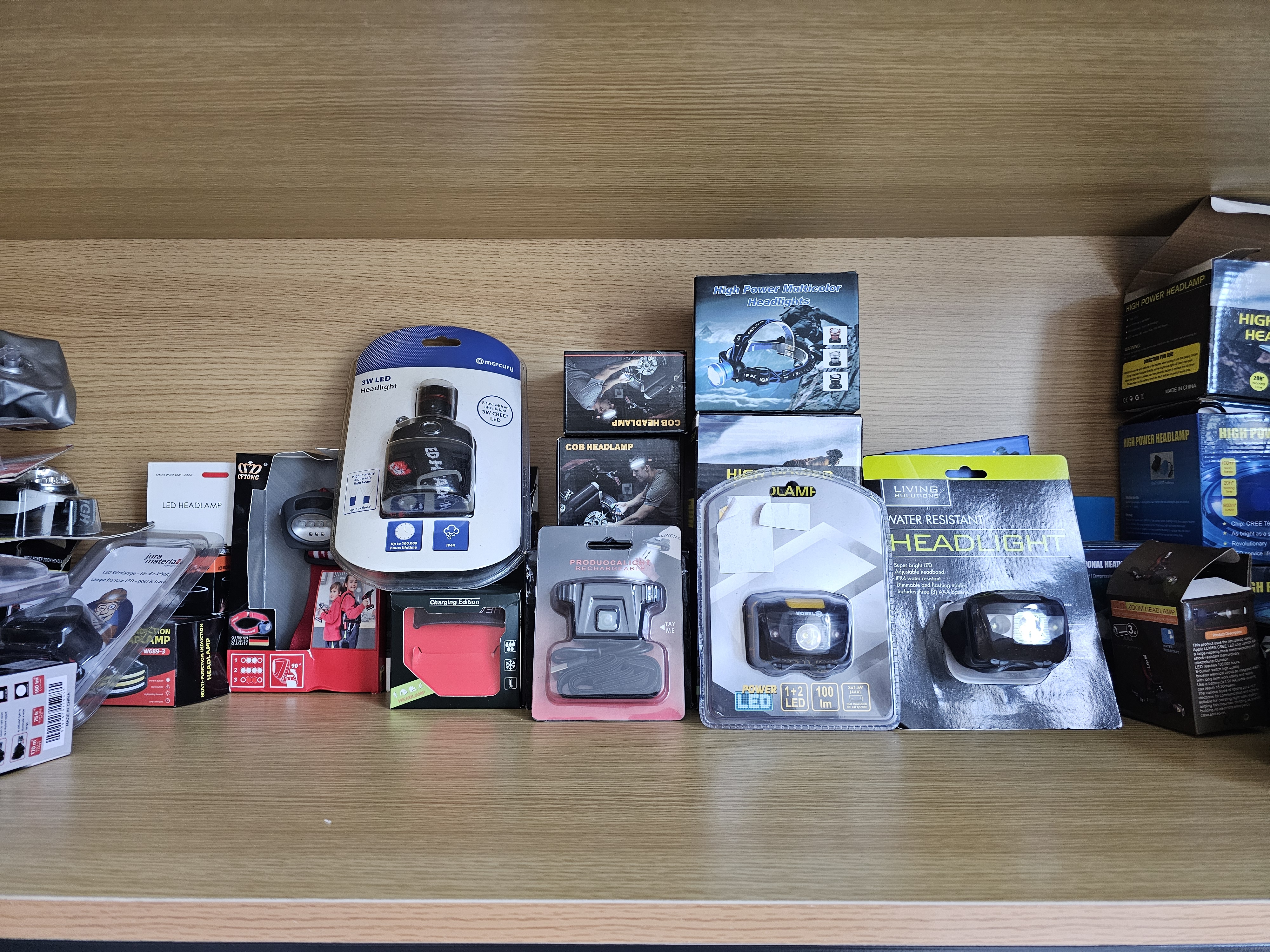
Product quality is only one of the factors B2B buyers consider when sourcing portable lighting products. Whether sourcing headlamps, camping lanterns, work lights, or desk lamps for retail chains, distributors and brand owners must look at the complete shelf presentation.
Product performance opens the door, but Retail-Ready Packaging (RRP) plays a crucial role in retail execution. Retail-ready packaging can help retailers simplify shelf replenishment, improve product presentation, and reduce the handling required before products are displayed. As retail logistics evolve and brick-and-mortar stores aim to minimize labor costs, packaging has shifted from a mere shipping container into a key operational and display asset.
When international buyers assess potential lighting suppliers, their evaluation extends well beyond lumens, battery life, and housing durability. They inspect how the product is presented in a commercial retail environment.
Packaging serves several vital roles before an end consumer ever switches on the light:
Shelf Appeal and First Impressions: On crowded retail shelves or hook displays, clear visual hierarchy catches the consumer’s eye immediately.
Reduction of In-Store Labor: Retail-ready design ensures store staff can quickly unbox and position items without complex assembly or repackaging.
Protection During Freight: Portable lighting products—especially those containing rechargeable batteries or optical lenses—require suitable structural packaging to help protect against impact, vibration, and compression during long-distance transit.
For distributors and retail buyers, well-designed packaging helps support smooth in-store operations and protects product integrity throughout the supply chain.
Different sales channels demand tailored packaging configurations. A compact LED flashlight sold in a hardware chain requires a completely different layout and footprint than an outdoor camping lantern targeted at specialty retail stores.
Retail shelf space is valuable. Packaging dimensions should be optimized to maximize unit capacity per shelf and pallet. Efficient packaging design helps reduce outer carton volume, which can optimize freight efficiency per unit.
Euro Slot / Hang Holes: Essential for pegboard displays common in hardware stores and convenience chains. Reinforcement tabs can be added depending on product weight to prevent tear-out.
Clamshell & Blister Packaging: Provides product visibility and can help discourage theft for smaller items like keychain lights and compact headlamps.
Color Gift Boxes with Windows: Ideal for mid-to-premium items such as rechargeable desk lamps or multi-functional camping lanterns, allowing shoppers to view the product finish directly.
Understanding these channel requirements early in the product development cycle helps prevent unnecessary packaging revisions before mass production.
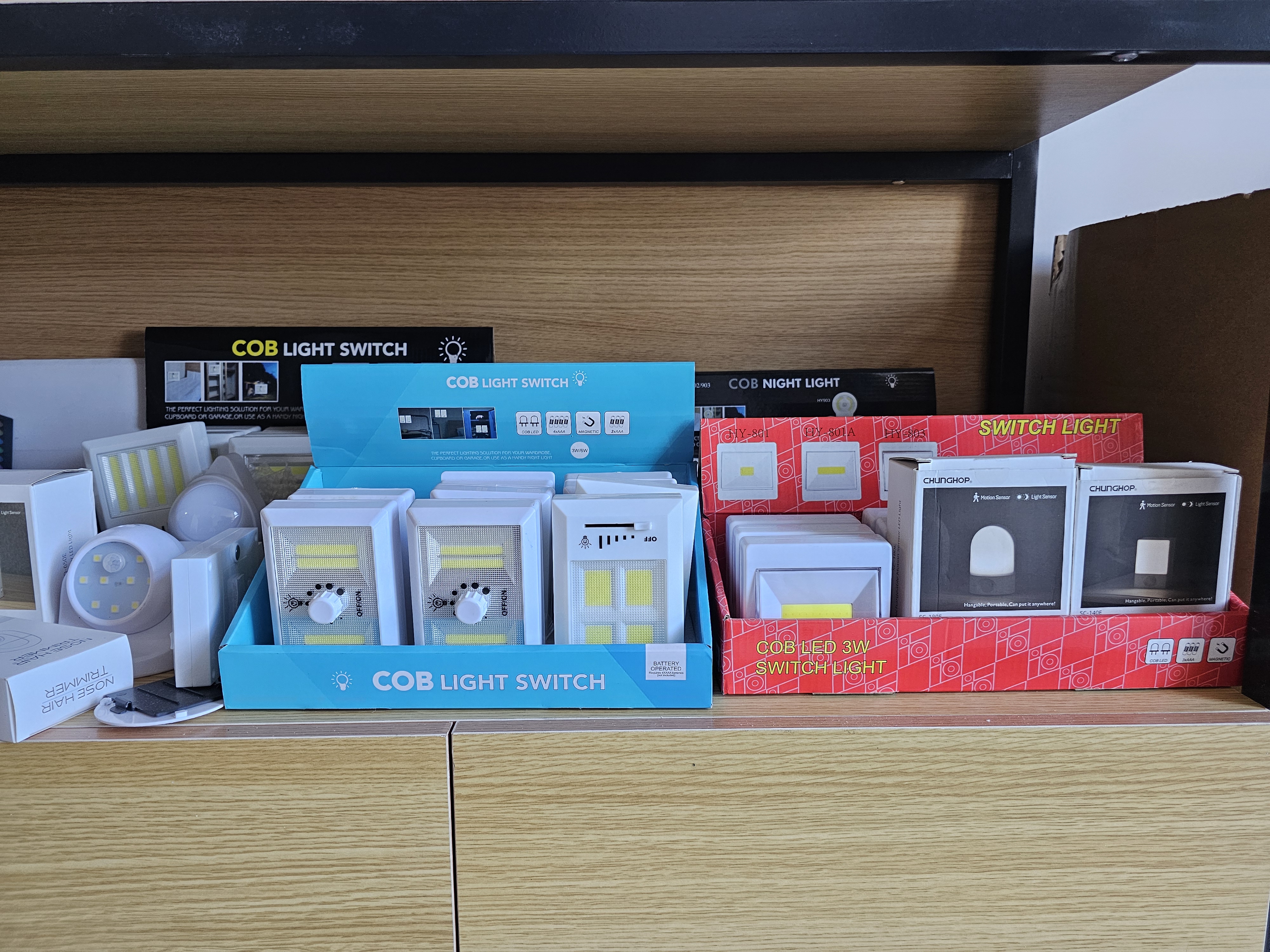
Consumers looking for portable lighting usually have specific utility needs: emergency home backup, night running, workshop projects, or outdoor camping. Retail packaging must clearly communicate key product features without relying on store personnel.
Key visual and informative elements include:
Core Lighting Specifications: Lumens output, beam distance, estimated runtimes, and IP waterproof ratings (where applicable and verified by testing) should be presented clearly using intuitive icons.
Power Source & Charging: Indicate available power options clearly, such as USB-C charging interfaces, standard replaceable batteries, or integrated solar charging panels (if supported by the product).
Application Scenarios: Practical lifestyle or application graphics help shoppers instantly grasp intended use—whether hands-free headlamp operation for repair jobs or ambient illumination for outdoor tents.
Compliance & POS Scanning: Include applicable regulatory markings and required product information based on the destination market and product type. Place barcodes where they can be scanned easily at checkout.
Translating complex technical parameters into intuitive visual graphics helps consumers make informed purchasing decisions quickly.
For retail buyers and private label brand owners, packaging is a key canvas for brand identity. Standard, unbranded boxes rarely build long-term brand recognition.
Effective brand customization may include:
Custom Graphic Design & Color Schemes: Aligning outer artwork, typography, and logo placement with private-label brand guidelines.
Structural Customization: Developing custom die-lines and internal packaging inserts—such as paper-based trays, blister inserts, or protective foam—depending on product fragile points and sustainability goals.
Product-Packaging Consistency: Ensuring logo branding and design accents on the light housing match the exterior retail packaging.
Working closely with a collaborative supplier ensures private label packaging aligns seamlessly with overall product positioning.
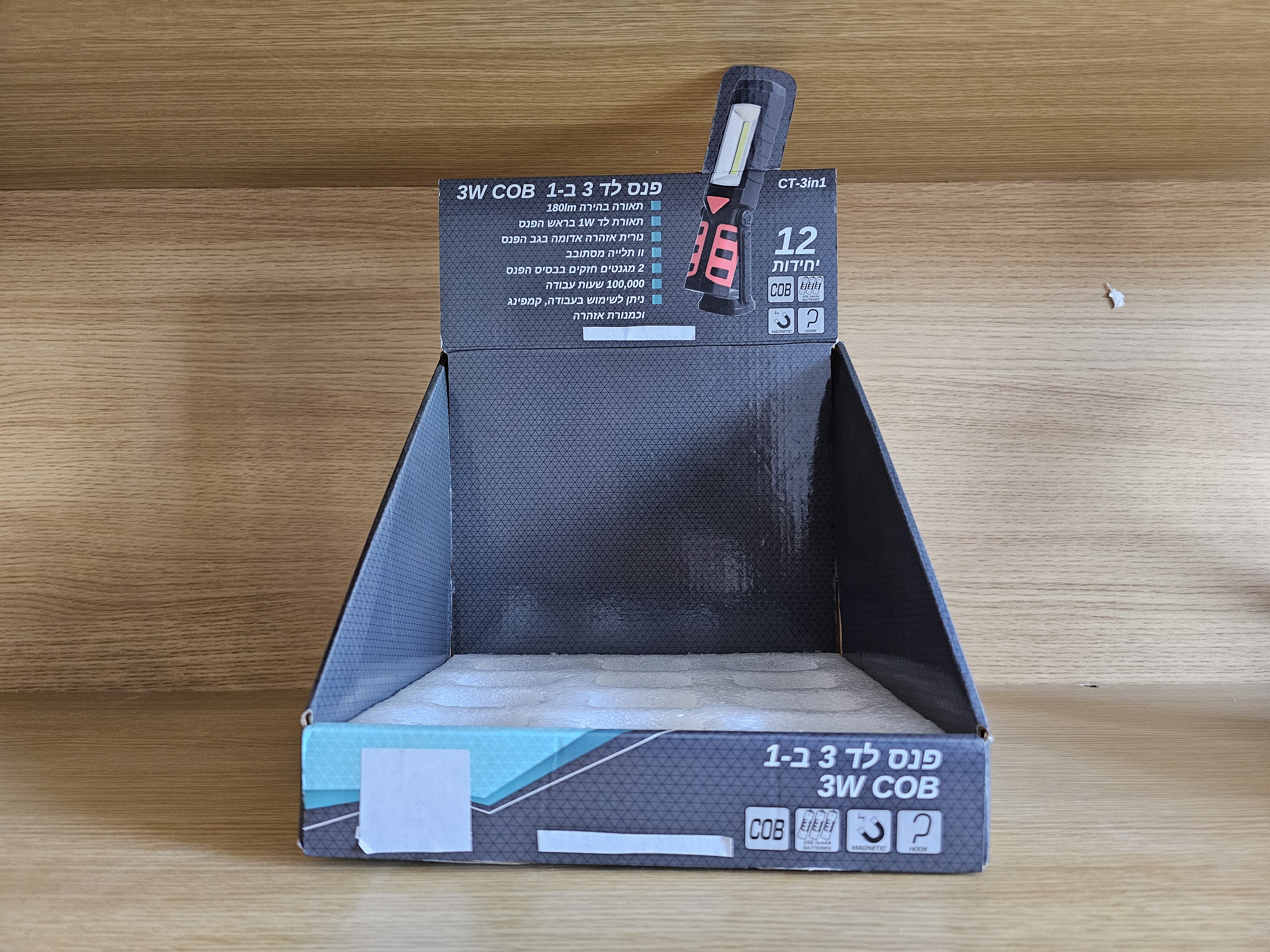
To avoid production delays, unexpected costs, or compliance issues, B2B buyers should clarify key packaging parameters with their manufacturing partner during early sourcing discussions.
Key topics to review include:
Die-Line Templates & Artwork Files: Confirm available structural die-lines in vector formats (such as AI or PDF) so your design team works on accurate dimensions.
Barcodes & Labeling Requirements: Confirm UPC/EAN placement, shipping mark standards, serial numbers, and required country-of-origin labeling.
Packaging Durability & Testing: Review packaging protection levels and transit test expectations (e.g., standard drop test criteria) based on shipping methods.
Moisture & Transit Protection: Discuss protective packaging options—such as inner polybags, silica gel packets (where applicable), or corrugated carton grades (e.g., 5-ply cartons)—depending on product weight and shipping conditions.
MOQ and Unit Cost Impact: Understand minimum order quantities for custom color box printing, specialized blister packaging, or eco-friendly paper alternatives.
Aligning retail packaging requirements with product engineering requires clear communication and a collaborative manufacturing process.
At Ningbo Wealth, we work with B2B buyers to discuss product branding, packaging specifications, and protective packaging requirements for different markets through our
Explore our product categories to learn more about our portable lighting solutions:
If you are developing private-label portable lighting products, contact our team to discuss your product specifications, branding, and packaging requirements.


